
Diabetic Foot Infection & Chronic Wounds: Causes, Care, and Healing Tips
Living with diabetes entails more than controlling blood glucose levels. It also entails an individual paying close attention to their feet. Among the most serious health issues that an individual with diabetes faces in their lifetime is a diabetic foot infection and chronic wounds. These conditions progress slowly, and in some cases, they are painful and, in the most serious cases, lead to the amputation of the affected limbs. However, with the right attention and knowledge, all these health problems are easily managed and avoided.
What Is Diabetic Foot Infection & Chronic Wound?
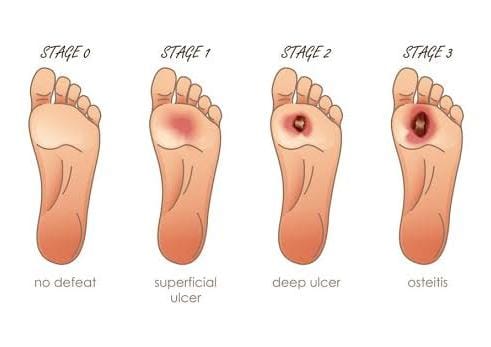
A diabetic foot infection occurs when an infected open sore, cut, or ulcer on the feet becomes infected with bacteria. A person with diabetes faces the challenge of having an infected foot because diabetes affects the nerves and blood vessels, and this, in turn, affects the healing process, especially in cases where an individual gets an injury on their feet.
Chronic wounds are wounds that do not heal within the expected period, which in most cases ranges from weeks and months. A wound that does not heal within 4-6 weeks in an individual with diabetes
Why Are Diabetics More Prone to Foot Infections?
1. Nerve Damage (Neuropathy)
As diabetes affects the nerves, you are likely to suffer from neuropathy. In this condition, you will not feel the pain caused by cuts or blisters that develop on your feet.
2. Poor Circulation
High blood sugar can cause your blood vessels to thicken. As a result, your feet will not get the necessary oxygen and nutrients that are required to heal faster.
3.Compromised Immune System
High levels of glucose can impair your immune system. In this condition, your body will not be able to fight infections that develop on your feet.
As a result of these factors, it is more difficult for the wounds to heal on the feet of a diabetic patient.
Common Signs & Symptoms to Watch For
It is very important that you recognize the early signs and symptoms of infection and chronic wounds. The following are the common signs and symptoms that require medical attention:
Redness or warmth around the wound
Increased swelling
Pus, discharge, or foul smell
Pain or tenderness
Skin discoloration or darkening
Wound that does not heal in a few weeks
Preventing Diabetic Foot Ulcers & Infections
Preventing the development of chronic wounds begins long before the wound ever occurs. The following are some of the day-to-day activities you can do to help prevent the development of a wound:
Daily Foot Checks
Every day, you need to regularly check your feet for cuts, redness, blisters, or swelling. This helps in the early detection of a wound.
Keeping Feet Clean and Dry
Washing feet regularly with mild soap and water, and drying them thoroughly, especially between the toes, can help in the prevention of fungal infection.
Wearing the Right Footwear
Wearing the right type of shoes can protect the feet from injuries and ulcers.
Keeping Blood Sugar in Check
Keeping the levels of glucose in the body under control can improve circulation and the body’s ability to fight infection.
Regular Foot Care Visits
Regularly visiting a doctor or a podiatrist for foot examinations can help in the early detection of a wound.
Effective Treatment Options for Chronic Wounds
If the wound becomes infected or chronic, it requires the following medical treatment:
1. Wound Cleaning & Dressing
Creating an environment that promotes healing for the wound is the first step in the treatment process. Healthcare providers may use various dressings that help in the healing process and reduce the infection in the wound.
2.Offloading Pressure
Removing the pressure from the wound is also an important step in the treatment process. The offloading process may require the use of special shoes, casts, and other devices that reduce the pressure from the wound.
3. Debridement
Removing the infected and dead tissues from the wound and promoting the growth of healthy tissues in the wound is an important aspect in the healing process.
4. Antibiotic Therapy
If the wound becomes infected, the doctors may prescribe antibiotics for the treatment and prevention of the infection from spreading.
5. Advanced Therapies
If the wound becomes chronic, the doctors may recommend advanced therapies, including hyperbaric oxygen and negative-pressure wound therapy, which help in the healing process.
When to Seek Immediate Medical Help
If you experience the following, seek immediate medical help:
A wound that is not healing
Severe pain or deep ulceration
Signs of spreading infection
Fever or chills
Black or dead tissue
Delayed treatment can lead to serious problems like bone infection or even amputations.
Living Well with Diabetes: Daily Tips
Living well with diabetes is not just about medications; it is about a healthy lifestyle, awareness, and proper care. Some of the ways you can live well with diabetes are:
Healthy blood sugar
Keep your feet dry and clean
Wear appropriate shoes and socks
Regular check-ups
Avoid walking barefoot
Don’t ignore minor injuries
With proper healthy habits and proper care, you can avoid diabetic foot problems.
Protect Your Feet, Protect Your Health
Diabetic foot infections and chronic wounds are serious health problems that can be managed and cured. All you need to do is be aware of the importance of prevention, early detection, and proper medical treatment. By following healthy habits and proper medical treatment, you can avoid chronic wounds and enjoy a healthy life.